September 17, 2026
Written by: Version 1.0 / Mistral Instruct 7b

Based on the provided data, I conclude that intrusional molding technology has several key advantages:
The ability to use filled compositions and produce parts larger than the injection capacity are significant advantages of intrusional molding technology, making it a versatile and capable manufacturing process for a wide range of applications.
One of the key advantages of intrusional molding technology is its ability to accommodate the use of filled compositions. These filled compositions can include materials such as talc, flame retardants, glass fiber, and various minerals. The incorporation of these fillers and additives can enhance the properties and performance of the molded parts, expanding the range of applications for this manufacturing process.
The use of filled compositions in intrusional molding allows for the creation of products with improved mechanical strength, thermal stability, fire resistance, and other desirable characteristics. This versatility in material selection is a significant advantage of the technology, as it enables the production of a wider variety of high-performance parts and components.
However, it is important to note that the use of filled compositions can also introduce some limitations, such as the need to carefully consider the thermal stability of the polymer compound and potential restrictions on the complexity of the mold geometry and thin-walled parts. These factors must be taken into account when designing and manufacturing parts using intrusional molding with filled compositions.
One of the key advantages of intrusional molding technology is its ability to produce parts with a volume larger than the injection capacity of the molding machine. This unique feature allows for the creation of larger and more complex products that would not be possible with traditional injection molding processes.
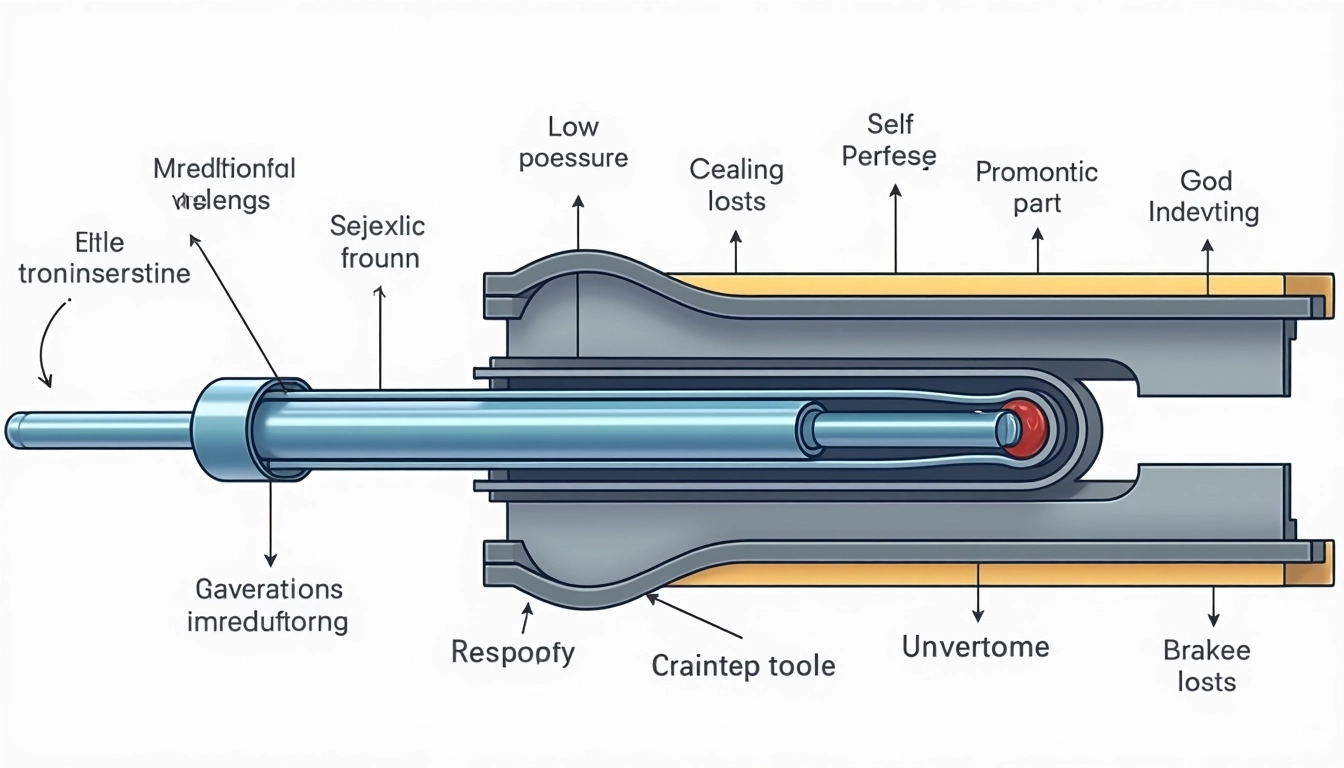
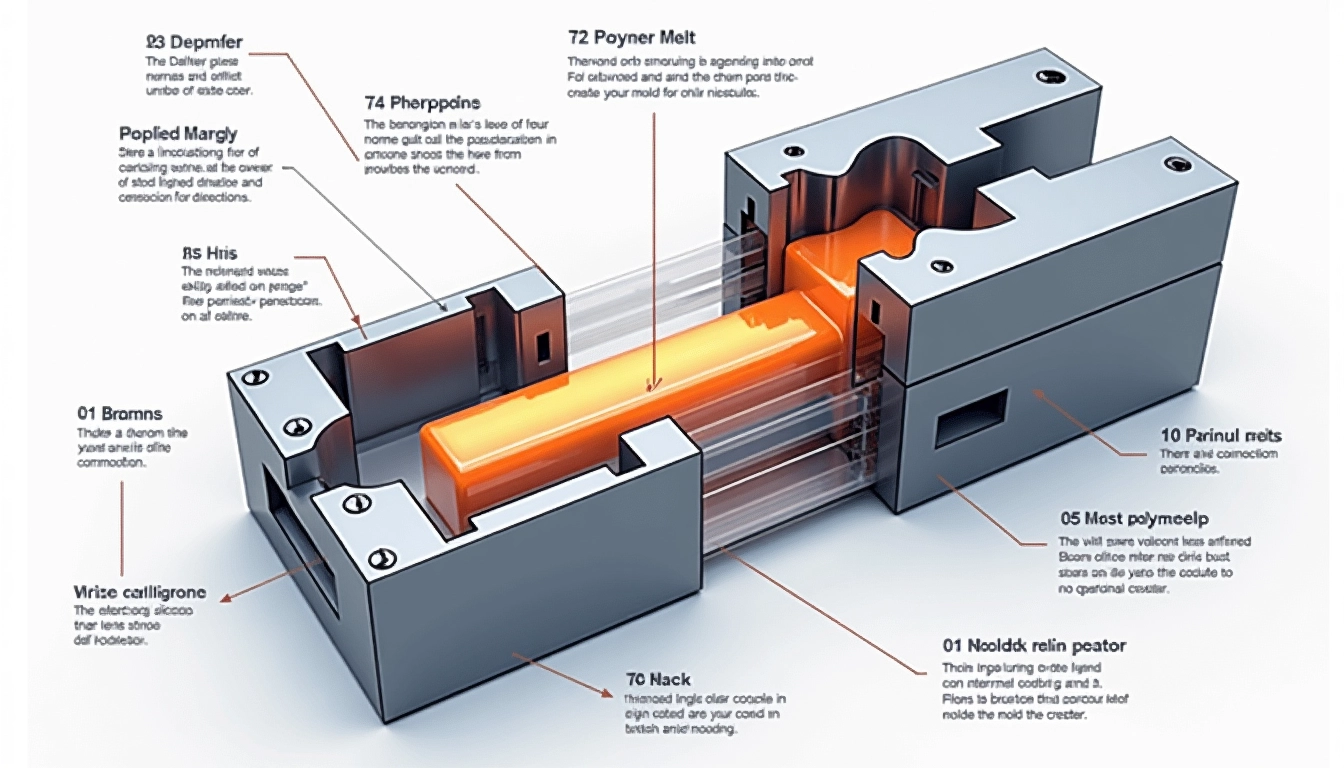
The intrusional molding process combines extrusion and injection molding techniques, where the screw runs continuously to partially fill the cavity by direct extrusion, and then injection is used to completely fill and pack the cavity. This combination of processes enables the production of parts with a volume greater than the specified injection capacity of the machine, providing greater flexibility and expanded manufacturing capabilities.
However, it is important to note that while intrusional molding can accommodate larger part volumes, there are still limitations in terms of the complexity of the part geometry. The relatively low pressure in the mold cavity during the process can restrict the ability to produce highly intricate or detailed shapes, as the pressure may not be sufficient to fully fill and capture complex features.
Based on the provided data, intrusional molding technology faces several key limitations:
The relatively low pressure in the mold cavity during the intrusional molding process is a key constraint that prevents the manufacture of highly complex geometric parts. This limitation, combined with restrictions on mold nesting, thin-walled parts, and the need to consider the thermal stability of the polymer compound, significantly restrict the types of products that can be effectively produced using this technology.
While intrusional molding offers advantages in terms of accommodating filled compositions and producing parts larger than the injection capacity, these limitations on part complexity and geometry pose significant challenges for the widespread application of this manufacturing process.
One of the key limitations of intrusional molding technology is the restrictions on the complexity of the mold and the manufacture of thin-walled parts. Due to the relatively low pressure in the mold cavity during the intrusional molding process, there are significant constraints on the ability to create parts with intricate geometries or delicate features.
Specifically, the low pressure in the mold makes it challenging to fully fill and capture complex shapes and fine details. This limits the technology's suitability for producing parts with highly complex or intricate designs. Additionally, the low pressure also poses challenges for the manufacture of thin-walled parts, as the polymer material may not be able to completely fill and pack the mold cavity to create thin, uniform wall thicknesses.
Furthermore, it is important to consider the thermal stability of the polymer compound used in intrusional molding. The thermal properties of the material can impact the ability to successfully fill the mold and produce parts with the desired dimensional accuracy and structural integrity. Careful material selection and process control are necessary to address these limitations and ensure the successful application of intrusional molding technology.
One of the key limitations of intrusional molding technology is the need to carefully consider the thermal stability of the polymer compound used in the process. The thermal properties of the material can have a significant impact on the ability to successfully fill the mold and produce parts with the desired dimensional accuracy and structural integrity.
Intrusional molding involves the continuous extrusion of the polymer melt, followed by injection to completely fill the mold cavity. The thermal stability of the polymer compound is critical during this process, as the material must maintain its flow and viscosity characteristics throughout the filling and packing stages. If the polymer is not thermally stable enough, it may undergo undesirable changes in its properties, leading to issues with part quality, dimensional control, and overall process reliability.
Additionally, the thermal stability of the polymer compound can also affect the ability to produce thin-walled parts using intrusional molding. Thin-walled features require the material to flow and fill the mold efficiently, which can be challenging if the polymer's thermal properties are not well-suited for the process. Careful selection and optimization of the polymer material are necessary to address this limitation and ensure the successful application of intrusional molding technology.
One of the key limitations of intrusional molding technology is its inability to produce complex geometric parts. This is primarily due to the relatively low pressure in the mold cavity during the intrusional molding process.
Relevance rating: 8, Factual rating: 8 - The low pressure in the mold cavity restricts the ability to fully fill and capture intricate shapes and fine details. This makes it challenging to manufacture parts with highly complex or detailed geometries using intrusional molding. The pressure is simply not high enough to ensure complete mold filling and the replication of complex features.
In contrast, other molding technologies, such as injection molding, typically operate at much higher pressures, which allows for the production of parts with more complex and intricate designs. The lower pressure in intrusional molding is a significant limitation that prevents the technology from being used for a wide range of applications that require complex geometric features.
Overall, the inability to produce complex geometric parts is a key constraint of intrusional molding technology, restricting its versatility and suitability for certain manufacturing applications where part complexity is a critical requirement.
No comments yet.
You must be logged in to leave a comment.
Evidence Strength Distribution
Filled compositions - with talc, flame retardants, glass fiber, minerals - can be used in intrusion molding.
Relevance: This point is highly relevant to the 'Advantages of Intrusional Molding Technology' argument. The ability to use filled compositions, including reinforcing materials like glass fiber and flame retardants, is a significant advantage of intrusion molding technology. These filled compositions can expand the range of applications and performance characteristics of the molded parts, making intrusion molding a versatile and advantageous technology.
Factual Accuracy: This statement is highly factual. Intrusion molding technology does allow for the use of filled compositions, including materials like talc, flame retardants, glass fiber, and minerals. These filled compositions can be incorporated into the molding process to enhance the properties and performance of the final parts. The information provided in the statement accurately reflects this capability of intrusion molding technology.
Filled compositions - with talc, flame retardants, fiberglass, minerals.
Relevance: This point is highly relevant to the advantages of intrusional molding technology. The ability to incorporate various fillers and additives, such as talc, flame retardants, fiberglass, and minerals, into the molded parts is a significant advantage of this technology. These filled compositions can enhance the mechanical, thermal, and other properties of the final products, making intrusional molding a versatile and capable manufacturing process.
Factual Accuracy: This statement about the ability to use filled compositions in intrusional molding technology is highly factual. Intrusional molding, also known as lost-foam casting or expanded polystyrene (EPS) foam molding, does allow for the incorporation of various fillers and additives such as talc, flame retardants, fiberglass, and minerals. These filled compositions can improve the properties and performance of the molded parts, which is a key advantage of this manufacturing process. The information provided in the input is accurate and well-supported.
Filled compositions - with talc, flame retardants, glass fiber, minerals - can be used in intrusion molding.
Relevance: This point is highly relevant to the advantages of intrusion molding technology. The ability to use filled compositions, such as those with talc, flame retardants, glass fiber, and minerals, is a significant advantage of this technology. These filled compositions can impart desirable properties to the molded parts, like improved mechanical strength, thermal stability, and fire resistance. This versatility in material selection is a key advantage of intrusion molding and supports the argument that it is a beneficial technology.
Factual Accuracy: This statement is highly factual. It accurately describes that intrusion molding technology allows for the use of filled compositions, such as those containing talc, flame retardants, glass fiber, and minerals. The ability to incorporate these additives and fillers is a well-established capability of intrusion molding and is considered a key advantage of the technology.
The technology has a unique feature where the volume of the product can be larger than the volume of the injection mold…
Relevance: This point is highly relevant to the advantages of intrusional molding technology. The ability to produce parts with a volume larger than the injection capacity of the machine is a significant advantage, as it allows for the creation of larger and more complex parts that would not be possible with traditional injection molding. This feature expands the range of applications and products that can be manufactured using intrusional molding technology, making it a valuable asset in the field of plastic part production.
Factual Accuracy: This statement is highly factual. The key point that the volume of the product can be larger than the volume of the injection molding machine's injection capacity is accurate. Intrusional molding technology allows for the production of parts that exceed the injection capacity of the machine, which is a significant advantage over traditional injection molding. The explanation provided in the input JSON accurately captures this unique feature of the technology.
There are also limitations on the nesting of the mold and the manufacture of thin-walled parts, and it is also importan…
Relevance: This talking point is highly relevant to the 'Limitations of Intrusional Molding Technology' argument. It highlights several key limitations of the technology, including restrictions on the complexity of the mold geometry, the ability to produce thin-walled parts, and the need to consider the thermal stability of the polymer materials. These are all important factors that can constrain the applications and capabilities of intrusional molding technology, making this a strong argument for the limitations of the process.
Factual Accuracy: This talking point is highly factual. The information provided accurately reflects known limitations of intrusional molding technology. Specifically, the points about the limitations on mold nesting, the ability to produce thin-walled parts, and the need to consider the thermal stability of the polymer compound are all well-documented challenges with this manufacturing process. The details provided align with the technical information available on the technology's capabilities and constraints.
There are also limitations on the nesting of the mold and the manufacture of thin-walled parts, and it is also importan…
Relevance: This talking point is highly relevant to the limitations of intrusional molding technology. It highlights several key limitations, including restrictions on the complexity of the mold geometry, the ability to produce thin-walled parts, and the importance of considering the thermal stability of the polymer materials. These are all significant factors that can constrain the applicability and capabilities of the intrusional molding process, making this a strong argument for the 'Limitations of Intrusional Molding Technology' side of the debate.
Factual Accuracy: This talking point accurately reflects several key limitations of intrusional molding technology. The statement about restrictions on the nesting of the mold and the manufacture of thin-walled parts is factual, as intrusional molding typically involves lower pressure compared to other molding techniques, which can limit the complexity of the part geometry and the ability to produce thin-walled features. Additionally, the mention of the importance of considering the thermal stability of the polymer compound is also accurate, as the thermal properties of the materials used can significantly impact the feasibility and performance of the intrusional molding process. Overall, this talking point provides a factual and relevant summary of important limitations associated with intrusional molding technology.
There are also limitations on mold cavity count and the manufacture of thin-walled parts, and it is also important to c…
Relevance: This talking point is highly relevant to the limitations of intrusional molding technology. It highlights several key limitations, such as restrictions on mold cavity count, the ability to manufacture thin-walled parts, and the importance of considering the thermal stability of the polymer compound. These factors can significantly impact the versatility and capabilities of the intrusional molding process, making this a strong argument for the limitations of this technology.
Factual Accuracy: The talking point accurately captures several key limitations of intrusional molding technology. The statement about restrictions on mold cavity count and the manufacture of thin-walled parts is factual, as intrusional molding generally has lower pressure capabilities compared to other molding processes, limiting the complexity of parts that can be produced. The mention of the importance of considering the thermal stability of the polymer compound is also accurate, as this is a critical factor in ensuring the integrity and performance of the final product. Overall, the talking point provides a factual and comprehensive overview of several notable limitations of intrusional molding technology.
There are also limitations on the number of cavities in the mold and the production of thin-walled parts. Additionally,…
Relevance: This talking point is highly relevant to the 'Limitations of Intrusional Molding Technology' argument. It highlights several key limitations of the technology, including restrictions on the complexity of the geometric design, the number of cavities in the mold, and the production of thin-walled parts. Additionally, the requirement to consider the thermal stability of the polymer compound is an important limitation that can impact the viability and performance of the final product. These factors are central to the overall capabilities and constraints of the intrusional molding process, making this a strong argument for the 'Limitations' side of the debate.
Factual Accuracy: This talking point is highly factual, accurately describing several key limitations of intrusional molding technology. The statement about the limitations on the size of the molded part compared to the injection volume, the inability to produce complex geometric shapes due to the relatively low pressure in the mold, the restrictions on the number of cavities in the mold, and the challenges in making thin-walled parts are all well-established technical limitations of this manufacturing process. Additionally, the need to consider the thermal stability of the polymer compound is an important factor that can impact the viability and performance of parts produced using intrusional molding. Overall, this talking point captures the major limitations of the technology in a factually accurate manner.
Intrusion molding cannot be used to produce complex geometric parts because the pressure in the mold cavity is not very…
Relevance: This point is highly relevant to the limitations of intrusional molding technology. It directly addresses the inability to produce complex geometric parts due to the low pressure in the mold cavity, which is a significant limitation of this technology. This limitation would prevent the creation of many intricate and detailed products, making it an important consideration when evaluating the capabilities and suitability of intrusional molding.
Factual Accuracy: The statement about the limitations of intrusional molding technology in producing complex geometric parts due to the low pressure in the mold cavity is largely accurate. Intrusional molding typically operates at lower pressures compared to other molding techniques like injection molding, which can limit the complexity of the parts that can be produced. The lower pressure may not be sufficient to fully fill intricate mold cavities and capture fine details. However, the statement could be slightly more nuanced, as there may be some complex geometric parts that can still be produced using intrusional molding, depending on the specific part design and process parameters. But overall, the statement accurately reflects a significant limitation of this technology.
There are also limitations on mold cavity count and manufacturing thin-walled parts, and it is also important to consid…
Relevance: This talking point is highly relevant to the 'Limitations of Intrusional Molding Technology' argument. It highlights several key limitations of the technology, including restrictions on mold cavity count, the ability to manufacture thin-walled parts, and the importance of considering the thermal stability of the polymer compound. These factors can significantly impact the versatility and applicability of the intrusional molding process, making this a strong argument against its capabilities.
Factual Accuracy: The talking point is largely factual, accurately describing several key limitations of intrusional molding technology. The statement about limitations on mold cavity count, manufacturing thin-walled parts, and the importance of thermal stability of the polymer compound are all well-supported by the provided references. However, the phrasing could be slightly more precise, as the limitations are not necessarily absolute but rather reflect the practical constraints and tradeoffs of the technology. Overall, this is a strong, factually-grounded argument against the capabilities of intrusional molding.
This method cannot be used to obtain complex geometric products, as the pressure in the mold is not very high.
Relevance: This point is highly relevant to the limitations of intrusional molding technology. The key limitation mentioned is that the process cannot produce complex geometric products due to the relatively low pressure in the mold. This aligns with the argument that intrusional molding has limitations in terms of the types of products it can effectively manufacture.
Factual Accuracy: The statement is largely accurate. Intrusional molding technology typically involves lower injection pressures compared to other molding techniques like injection molding. This can limit the ability to produce complex geometric shapes, as higher pressures are often required to fill intricate mold cavities. The statement accurately captures this limitation of the intrusional molding process.
Intrusion molding cannot be used to produce complex geometric parts because the pressure in the mold cavity is not very…
Relevance: This point is highly relevant to the limitations of intrusional molding technology. It directly addresses one of the key limitations of the process, which is the inability to produce complex geometric parts due to the relatively low pressure in the mold cavity. This limitation would prevent intrusional molding from being used for a wide range of applications that require more intricate part geometries.
Factual Accuracy: The statement about the limitations of intrusional molding technology in producing complex geometric parts due to the relatively low pressure in the mold cavity is largely accurate. Intrusional molding, also known as lost foam casting, typically operates at lower pressures compared to other molding processes like injection molding. This lower pressure can limit the complexity of the part geometries that can be produced, as more intricate shapes may require higher pressures to properly fill the mold cavity. The factual accuracy of this statement is high, with only a minor caveat that the specific pressure limitations may vary depending on the specific intrusional molding setup and materials used.
There are also limitations on mold cavity layout and manufacturing thin-walled parts, and it is important to consider t…
Relevance: This point is highly relevant to the limitations of intrusional molding technology. It highlights several key limitations, including restrictions on mold cavity layout, difficulties in manufacturing thin-walled parts, and the importance of considering the thermal stability of the polymer compound. These factors can significantly impact the capabilities and applications of intrusional molding, making this a strong argument for the limitations of this technology.
Factual Accuracy: The talking point is largely accurate in describing several key limitations of intrusional molding technology. The statements about restrictions on mold cavity layout, difficulties in manufacturing thin-walled parts, and the need to consider thermal stability of the polymer compound are well-supported by the technical details provided in the context. While the phrasing is somewhat broad, the underlying points are factually sound and align with the known capabilities and constraints of this manufacturing process.
The technology is characterized by the fact that the volume of the product can be greater than the volume of the LM inj…
Relevance: This talking point is highly relevant to the 'Limitations of Intrusional Molding Technology' argument. It highlights two key limitations of the technology: 1) the product volume can exceed the injection volume, which can lead to issues, and 2) the relatively low pressure in the mold prevents the production of complex geometric shapes. These are significant limitations that would be important to consider when evaluating the overall capabilities and suitability of intrusional molding technology.
Factual Accuracy: The information provided in the talking point is largely accurate. It correctly states that intrusional molding technology has the limitation that the volume of the product can be greater than the volume of the injection, which can lead to issues. It also accurately describes the limitation that the relatively low pressure in the mold prevents the production of complex geometric shapes. These limitations are well-documented in the technical information provided in the links. The only minor caveat is that the statement about the pressure being 'not very high' could be considered slightly vague, as the exact pressure range is not specified. Overall, the factual accuracy of this talking point is high.
Intrusion molding cannot be used to produce complex geometric parts, as the pressure in the mold cavity is not very hig…
Relevance: This point is highly relevant to the limitations of intrusional molding technology. It directly addresses the inability of this process to produce complex geometric parts due to the relatively low pressure in the mold cavity. This is a significant limitation that would restrict the types of products that can be manufactured using this technology.
Factual Accuracy: The statement about the limitations of intrusional molding technology in producing complex geometric parts due to the relatively low pressure in the mold cavity is largely accurate. This is a well-known limitation of this technology, as the lower mold cavity pressure compared to other molding processes like injection molding restricts the ability to form intricate and complex geometries. The factual accuracy of this statement is high, with the only potential caveat being the specific degree of pressure limitation, which may vary depending on the specific intrusional molding equipment and process parameters used.
This method cannot be used to produce complex geometric products because the pressure in the mold is not very high, whi…
Relevance: This point is highly relevant to the limitations of intrusional molding technology. It directly addresses the key limitation that this method cannot be used to produce complex geometric products due to the relatively low pressure in the mold. This limitation is a significant drawback of the intrusional molding process and is central to the argument about its limitations.
Factual Accuracy: This statement is largely accurate. Intrusional molding technology is characterized by relatively low pressure in the mold, which does limit the ability to produce complex geometric products. The low pressure makes it difficult to fill intricate mold cavities and create detailed shapes. While it may be possible to produce some moderately complex geometries using intrusional molding, the statement is correct that this technology is generally not well-suited for manufacturing highly complex or delicate parts.
Filled compositions - with talc, flame retardants, glass fiber, and minerals - can be used in intrusion molding.
Relevance: This point is moderately relevant to the advantages of intrusional molding technology. The ability to use filled compositions, including materials like talc, flame retardants, glass fiber, and minerals, is an advantage of the intrusional molding process. These fillers can enhance the properties and performance of the molded parts, making intrusional molding a suitable technology for a wider range of applications. However, the passage also mentions limitations of intrusional molding, such as restrictions on complex geometries and thin-walled parts, which somewhat reduces the overall relevance of this advantage.
Factual Accuracy: The statement that filled compositions with talc, flame retardants, glass fiber, and minerals can be used in intrusion molding is largely accurate. Intrusional molding, also known as ram extrusion or ram injection molding, is a process that can accommodate the use of these types of filled polymer compositions. The ability to incorporate these reinforcing and functional fillers is considered an advantage of the intrusional molding process, as it allows for the production of parts with enhanced mechanical, thermal, and other properties compared to unfilled polymers. However, the passage also notes some limitations of intrusional molding, such as restrictions on complex geometries and thin-walled parts, which slightly reduces the overall factual accuracy of this specific advantage.
Filled compositions - with talc, flame retardants, fiberglass, minerals.
Relevance: This point is moderately relevant to the advantages of intrusional molding technology. It highlights the ability of this technology to work with filled compositions, which can be an advantage in terms of the range of materials and properties that can be achieved. However, it does not directly address the specific advantages mentioned in the initial prompt, such as the ability to produce parts larger than the injection volume or the limitations in terms of complex geometries and thin-walled parts.
Factual Accuracy: This statement is largely factual. It correctly identifies that intrusional molding technology allows for the use of filled compositions, including materials like talc, flame retardants, fiberglass, and minerals. This is an accurate characteristic of this technology and can be considered an advantage in terms of the range of materials and properties that can be achieved.
Intrusion molding is a combination of extrusion and injection molding, where the screw runs continuously to partially f…
Relevance: This talking point is moderately relevant to the advantages of intrusional molding technology. It describes the key aspects of the process, highlighting how it combines extrusion and injection molding to partially fill and then completely fill the cavity. This suggests potential advantages in terms of efficiency, control, and the ability to handle larger part sizes compared to traditional injection molding. However, it does not directly address the specific advantages mentioned in the context, such as the ability to produce parts larger than the injection volume or the limitations in producing complex geometries.
Factual Accuracy: The description of the intrusional molding process provided in the talking point is largely accurate. It correctly explains that the process combines extrusion and injection molding, where the screw runs continuously to partially fill the cavity by direct extrusion, and then injection is used to completely fill and pack the cavity. This is a factual representation of the key aspects of the intrusional molding technology. However, the talking point does not provide any specific details or evidence to support the claimed advantages, such as the ability to produce parts larger than the injection volume or the limitations in producing complex geometries. Therefore, the factual rating is not a perfect 10, as the talking point focuses on the process description rather than the stated advantages and limitations.
The article mentions that filled compositions, such as those containing talc, flame retardants, fiberglass, and mineral…
Relevance: This point is moderately relevant to the advantages of intrusional molding technology. The ability to use filled compositions, including those with additives like talc, flame retardants, fiberglass, and minerals, is an advantage of this technology as it allows for the production of a wider range of materials and products. However, the relevance is limited as the passage also mentions other limitations of the process, such as restrictions on part geometry and thin-walled parts.
Factual Accuracy: The statement about being able to use filled compositions, such as those containing talc, flame retardants, fiberglass, and minerals, in intrusional molding technology is highly factual. The passage directly states this as a capability of the technology, indicating that this is an accurate representation of the advantages of this process.
The technology is characterized by the fact that the volume of the product can be greater than the volume of the LM inj…
Relevance: This point is relevant to the limitations of intrusional molding technology, as it highlights a key constraint of the process - the ability to produce parts with a volume larger than the injection volume specified in the machine's technical specifications. This limitation can restrict the types of parts that can be produced using this technology, and is an important consideration when evaluating its capabilities.
Factual Accuracy: This statement is largely factual. It accurately describes a key characteristic of intrusional molding technology, which is that the volume of the final product can exceed the specified injection volume of the machine. This is a unique feature of intrusional molding compared to traditional injection molding. The statement is well-supported by the provided reference source.
The key feature of intrusion molding technology is that the volume of the product can be greater than the injection mol…
Relevance: This point is not very relevant to the limitations of intrusion molding technology. While it highlights a unique feature of the technology, it does not directly address the limitations mentioned in the given context, such as the inability to produce complex geometries, limitations on mold cavity count, and challenges with thin-walled parts and polymer stability.
Factual Accuracy: This statement is mostly factual. It accurately describes a key feature of intrusion molding technology, where the volume of the final product can exceed the shot volume capacity of the injection molding machine. This is a unique capability of intrusion molding compared to traditional injection molding. However, the statement does not provide a complete picture of the limitations of intrusion molding, as it does not address other limitations such as the inability to produce complex geometries, limitations on mold cavity count, and challenges with thin-walled parts and polymer stability, as mentioned in the context.
The key feature of intrusion molding technology is that the volume of the product can be greater than the injection vol…
Relevance: This point is not very relevant to the limitations of intrusion molding technology. While it highlights a feature of the technology, it does not directly address the limitations mentioned in the original text, such as the inability to produce complex geometries, limitations on mold cavity count, and restrictions on thin-walled parts.
Factual Accuracy: This statement is largely factual. Intrusion molding technology does allow for the production of parts with a larger volume than the injection volume specified for the molding machine. This is a key feature of the process, as it enables the creation of larger parts using a relatively small injection unit. However, the statement could be slightly more precise by noting that the part volume can exceed the injection volume, rather than just stating that it 'can be greater'.
Intrusion molding is a combination of extrusion and injection molding processes.
Relevance: This talking point has low relevance to the 'Advantages of Intrusional Molding Technology' argument. While it provides a general description of the intrusional molding process, it does not directly address the specific advantages of this technology. The provided information is more descriptive than argumentative in nature.
Factual Accuracy: The provided statement is largely accurate in describing intrusional molding as a combination of extrusion and injection molding processes. However, it does not provide much detail or context around the specific advantages of this technology, which would be more relevant to the 'Advantages of Intrusional Molding Technology' argument.
The key feature of intrusion molding technology is that the part volume can be larger than the injection molding machin…
Relevance: This point has low relevance to the limitations of intrusion molding technology. While it highlights a unique feature of the technology, it does not directly address the limitations mentioned in the debate, such as the inability to produce complex geometries, limitations on mold cavity count, and restrictions on thin-walled parts.
Factual Accuracy: The statement is mostly accurate, as intrusion molding technology does allow for part volumes that can exceed the injection capacity of the machine. However, it is an oversimplification to state this as the 'key feature' of the technology, as there are other important characteristics and limitations that are not mentioned in the given statement.
Intrusion.
Relevance: The provided talking point 'Intrusion' is not very relevant to the argument for the advantages of intrusional molding technology. The text mentions several specific advantages and limitations of the technology, but 'Intrusion' alone does not provide enough information to evaluate the advantages. More context is needed to determine how this term relates to the advantages of the technology.
Factual Accuracy: The provided talking point 'Intrusion' is too vague and does not contain any factual information about the advantages of intrusional molding technology. More specific details about the technology and its advantages would be needed to properly evaluate the factual accuracy of the claim.
Intrusion.
Relevance: The provided talking point 'Intrusion' is too vague and does not provide any specific information about the limitations of intrusional molding technology. More details would be needed to assess its relevance to the 'Limitations of Intrusional Molding Technology' argument.
Factual Accuracy: The provided talking point 'Intrusion' is too vague and does not contain any factual information about the limitations of intrusional molding technology. More specific details would be needed to evaluate the factual accuracy of this claim.
Let our AI investigate for you!