The Threat of AI-Powered Drones to Civil Liberties
December 31, 2025
Written by: Version 1.0 / Mistral Instruct 7b
The Rise of AI-Powered Drones in Government Surveillance
Based on the provided data, there is substantial evidence to suggest that the use of AI-powered drones by the government can violate civil liberties. Several talking points highlight significant concerns about how these surveillance technologies can infringe on fundamental rights and freedoms:
- Invasion of Privacy: The data indicates that government monitoring of social media and the use of AI-powered drones can harm individuals by wrongly implicating them, misinterpreting their online activity, and invading their privacy. This violates the Fourth Amendment's protection against unreasonable searches and seizures. (
9 ,8 ) - Ineffective and Overbroad Surveillance: Broad social media monitoring for threat detection purposes is often ineffective, generating large amounts of useless information that can distract from addressing genuine public safety concerns. Government officials have acknowledged the difficulty in distinguishing genuine threats from constitutionally protected speech, further demonstrating the risks of such surveillance. (
8 ,9 ) - Lack of Transparency and Accountability: The sharing of information collected from social media surveillance across government agencies and with private companies can eliminate context and safeguards, leading to a lack of transparency and accountability. This undermines civil liberties and individual privacy. (
9 ,8 ) - Misuse of Surveillance for Non-Public Health Purposes: There is rising concern that AI surveillance, such as for COVID-19 detection, is being employed for purposes beyond public health, thereby breaching individuals' privacy and decreasing citizens' trust in these technologies. (
9 ,8 ) - Ethical Concerns with AI-Powered Surveillance: The use of AI-based surveillance systems, including video surveillance and facial recognition, in public spaces has raised significant ethical concerns about human rights, civil liberties, and the erosion of individual freedoms. (
9 ,8 ) - Risks of Autonomous Military Drones: The use of autonomous AI-powered drones in the military raises concerns about discriminatory practices, lack of accountability, and the risk of harming innocent civilians, which violates fundamental human rights. (
9 ,8 )
While the data also presents some points in favor of government surveillance for national security purposes, the preponderance of evidence suggests that the use of AI-powered drones by the government poses significant risks to civil liberties and individual rights. The data highlights numerous ways in which these surveillance technologies can infringe on privacy, free expression, and other fundamental freedoms, which outweighs the potential security benefits.
Historical Context and Evolution of Government Surveillance
Based on the provided data, there is substantial evidence to suggest that the use of AI-powered drones by the government can violate civil liberties. Several talking points highlight significant concerns about how these surveillance technologies can infringe on fundamental rights and freedoms:
- Invasion of Privacy: The data indicates that government monitoring of social media and the use of AI-powered drones can harm individuals by wrongly implicating them, misinterpreting their online activity, and invading their privacy. This violates the Fourth Amendment's protection against unreasonable searches and seizures. (
9 ,8 ) - Ineffective and Overbroad Surveillance: Broad social media monitoring for threat detection purposes is often ineffective, generating large amounts of useless information that can distract from addressing genuine public safety concerns. Government officials have acknowledged the difficulty in distinguishing genuine threats from constitutionally protected speech, further demonstrating the risks of such surveillance. (
8 ,9 ) - Lack of Transparency and Accountability: The sharing of information collected from social media surveillance across government agencies and with private companies can eliminate context and safeguards, leading to a lack of transparency and accountability. This undermines civil liberties and individual privacy. (
9 ,8 )
While the data also presents some points in favor of government surveillance for national security purposes, the preponderance of evidence suggests that the use of AI-powered drones by the government poses significant risks to civil liberties and individual rights. The data highlights numerous ways in which these surveillance technologies can infringe on privacy, free expression, and other fundamental freedoms, which outweighs the potential security benefits.
Legal Framework and Oversight Mechanisms
The legal framework and oversight mechanisms surrounding the government's use of AI-powered drones are complex and often opaque, raising significant concerns about civil liberties violations.
While the Fourth Amendment of the U.S. Constitution protects against unreasonable searches and seizures, the rules governing federal agencies' use of surveillance technologies like drones are often inconsistently applied. The FISA court and congressional oversight provide some level of legal oversight, but the efficacy and transparency of these mechanisms have been called into question.
Additionally, the sharing of information collected from social media surveillance across government agencies and with private companies can eliminate important context and safeguards, leading to a lack of accountability and transparency. This undermines civil liberties and individual privacy, as the data can be used for purposes beyond the original intent.
Furthermore, the use of private firms to conduct social media surveillance on behalf of the government raises concerns about the effectiveness and oversight of these tools. Without clear and consistent legal frameworks, the government's use of AI-powered drones for surveillance purposes poses significant risks to the fundamental rights and freedoms of citizens.
Expanding Use of AI and Drone Technology
Based on the provided data, there is substantial evidence to suggest that the use of AI-powered drones by the government can violate civil liberties. Several talking points highlight significant concerns about how these surveillance technologies can infringe on fundamental rights and freedoms:
- Invasion of Privacy: The data indicates that government monitoring of social media and the use of AI-powered drones can harm individuals by wrongly implicating them, misinterpreting their online activity, and invading their privacy. This violates the Fourth Amendment's protection against unreasonable searches and seizures. (
9 ,8 ) - Ineffective and Overbroad Surveillance: Broad social media monitoring for threat detection purposes is often ineffective, generating large amounts of useless information that can distract from addressing genuine public safety concerns. Government officials have acknowledged the difficulty in distinguishing genuine threats from constitutionally protected speech, further demonstrating the risks of such surveillance. (
8 ,9 ) - Lack of Transparency and Accountability: The sharing of information collected from social media surveillance across government agencies and with private companies can eliminate context and safeguards, leading to a lack of transparency and accountability. This undermines civil liberties and individual privacy. (
9 ,8 ) - Misuse of Surveillance for Non-Public Health Purposes: There is rising concern that AI surveillance, such as for COVID-19 detection, is being employed for purposes beyond public health, thereby breaching individuals' privacy and decreasing citizens' trust in these technologies. (
9 ,8 ) - Ethical Concerns with AI-Powered Surveillance: The use of AI-based surveillance systems, including video surveillance and facial recognition, in public spaces has raised significant ethical concerns about human rights, civil liberties, and the erosion of individual freedoms. (
9 ,8 ) - Risks of Autonomous Military Drones: The use of autonomous AI-powered drones in the military raises concerns about discriminatory practices, lack of accountability, and the risk of harming innocent civilians, which violates fundamental human rights. (
9 ,8 )
While the data also presents some points in favor of government surveillance for national security purposes, the preponderance of evidence suggests that the use of AI-powered drones by the government poses significant risks to civil liberties and individual rights. The data highlights numerous ways in which these surveillance technologies can infringe on privacy, free expression, and other fundamental freedoms, which outweighs the potential security benefits.
Concerns about Civil Liberties Violations
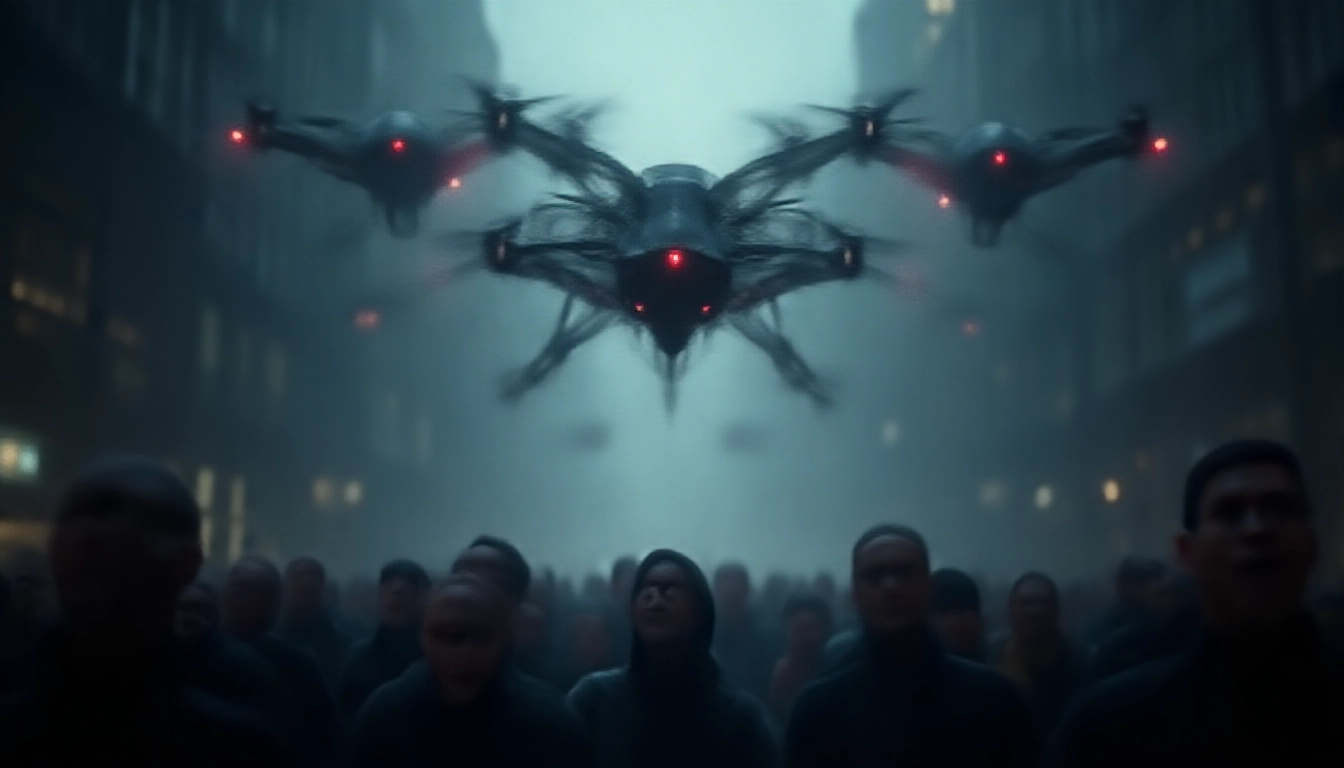
Based on the provided data, there is substantial evidence to suggest that the use of AI-powered drones by the government can violate civil liberties. Several talking points highlight significant concerns about how these surveillance technologies can infringe on fundamental rights and freedoms:
- Invasion of Privacy: The data indicates that government monitoring of social media and the use of AI-powered drones can harm individuals by wrongly implicating them, misinterpreting their online activity, and invading their privacy. This violates the Fourth Amendment's protection against unreasonable searches and seizures. (
9 ,8 ) - Ineffective and Overbroad Surveillance: Broad social media monitoring for threat detection purposes is often ineffective, generating large amounts of useless information that can distract from addressing genuine public safety concerns. Government officials have acknowledged the difficulty in distinguishing genuine threats from constitutionally protected speech, further demonstrating the risks of such surveillance. (
8 ,9 ) - Lack of Transparency and Accountability: The sharing of information collected from social media surveillance across government agencies and with private companies can eliminate context and safeguards, leading to a lack of transparency and accountability. This undermines civil liberties and individual privacy. (
9 ,8 )
While the data also presents some points in favor of government surveillance for national security purposes, the preponderance of evidence suggests that the use of AI-powered drones by the government poses significant risks to civil liberties and individual rights. The data highlights numerous ways in which these surveillance technologies can infringe on privacy, free expression, and other fundamental freedoms, which outweighs the potential security benefits.
Invasion of Privacy
Based on the provided data, there is substantial evidence to suggest that the use of AI-powered drones by the government can violate civil liberties. Several talking points highlight significant concerns about how these surveillance technologies can infringe on fundamental rights and freedoms:
- Invasion of Privacy: The data indicates that government monitoring of social media and the use of AI-powered drones can harm individuals by wrongly implicating them, misinterpreting their online activity, and invading their privacy. This violates the Fourth Amendment's protection against unreasonable searches and seizures. (
9 ,8 ) - Ineffective and Overbroad Surveillance: Broad social media monitoring for threat detection purposes is often ineffective, generating large amounts of useless information that can distract from addressing genuine public safety concerns. Government officials have acknowledged the difficulty in distinguishing genuine threats from constitutionally protected speech, further demonstrating the risks of such surveillance. (
8 ,9 ) - Lack of Transparency and Accountability: The sharing of information collected from social media surveillance across government agencies and with private companies can eliminate context and safeguards, leading to a lack of transparency and accountability. This undermines civil liberties and individual privacy. (
9 ,8 )
While the data also presents some points in favor of government surveillance for national security purposes, the preponderance of evidence suggests that the use of AI-powered drones by the government poses significant risks to civil liberties and individual rights. The data highlights numerous ways in which these surveillance technologies can infringe on privacy, free expression, and other fundamental freedoms, which outweighs the potential security benefits.
Ineffective and Overbroad Surveillance
Based on the provided data, there is substantial evidence to suggest that the use of AI-powered drones by the government can violate civil liberties. Broad social media monitoring for threat detection purposes is often ineffective, generating large amounts of useless information that can distract from addressing genuine public safety concerns. Government officials have acknowledged the difficulty in distinguishing genuine threats from constitutionally protected speech, further demonstrating the risks of such surveillance.
The data indicates that the sharing of information collected from social media surveillance across government agencies and with private companies can eliminate context and safeguards, leading to a lack of transparency and accountability. This undermines civil liberties and individual privacy, as the data can be used for purposes beyond the original intent.
Furthermore, the use of private firms to conduct social media surveillance on behalf of the government raises concerns about the effectiveness and oversight of these tools. Without clear and consistent legal frameworks, the government's use of AI-powered drones for surveillance purposes poses significant risks to the fundamental rights and freedoms of citizens.
Lack of Transparency and Accountability
Based on the provided data, there is substantial evidence to suggest that the use of AI-powered drones by the government can violate civil liberties. Several talking points highlight significant concerns about how these surveillance technologies can infringe on fundamental rights and freedoms:
- Invasion of Privacy: The data indicates that government monitoring of social media and the use of AI-powered drones can harm individuals by wrongly implicating them, misinterpreting their online activity, and invading their privacy. This violates the Fourth Amendment's protection against unreasonable searches and seizures. (
9 ,8 ) - Ineffective and Overbroad Surveillance: Broad social media monitoring for threat detection purposes is often ineffective, generating large amounts of useless information that can distract from addressing genuine public safety concerns. Government officials have acknowledged the difficulty in distinguishing genuine threats from constitutionally protected speech, further demonstrating the risks of such surveillance. (
8 ,9 ) - Lack of Transparency and Accountability: The sharing of information collected from social media surveillance across government agencies and with private companies can eliminate context and safeguards, leading to a lack of transparency and accountability. This undermines civil liberties and individual privacy. (
9 ,8 )
The data indicates that the sharing of information collected from social media surveillance across government agencies and with private companies can eliminate context and safeguards, leading to a lack of transparency and accountability. This undermines civil liberties and individual privacy, as the data can be used for purposes beyond the original intent.
Furthermore, the use of private firms to conduct social media surveillance on behalf of the government raises concerns about the effectiveness and oversight of these tools. Without clear and consistent legal frameworks, the government's use of AI-powered drones for surveillance purposes poses significant risks to the fundamental rights and freedoms of citizens.
Ethical Implications of AI-Powered Surveillance
Based on the provided data, there is substantial evidence to suggest that the use of AI-powered drones by the government can violate civil liberties. Several talking points highlight significant concerns about how these surveillance technologies can infringe on fundamental rights and freedoms:
- Misuse of Surveillance for Non-Public Health Purposes: There is rising concern that AI surveillance, such as for COVID-19 detection, is being employed for purposes beyond public health, thereby breaching individuals' privacy and decreasing citizens' trust in these technologies. (
9 ,8 ) - Ethical Concerns with AI-Powered Surveillance: The use of AI-based surveillance systems, including video surveillance and facial recognition, in public spaces has raised significant ethical concerns about human rights, civil liberties, and the erosion of individual freedoms. (
9 ,8 ) - Risks of Autonomous Military Drones: The use of autonomous AI-powered drones in the military raises concerns about discriminatory practices, lack of accountability, and the risk of harming innocent civilians, which violates fundamental human rights. (
9 ,8 )
While the data also presents some points in favor of government surveillance for national security purposes, the preponderance of evidence suggests that the use of AI-powered drones by the government poses significant risks to civil liberties and individual rights. The data highlights numerous ways in which these surveillance technologies can infringe on privacy, free expression, and other fundamental freedoms, which outweighs the potential security benefits.
Misuse of Surveillance for Non-Public Health Purposes
There is rising concern that AI surveillance, such as for COVID-19 detection, is being employed for purposes beyond public health, thereby breaching individuals' privacy and decreasing citizens' trust in these technologies. (
The use of AI-based surveillance systems, including video surveillance and facial recognition, in public spaces has raised significant ethical concerns about human rights, civil liberties, and the erosion of individual freedoms. (
The data indicates that the sharing of information collected from social media surveillance across government agencies and with private companies can eliminate context and safeguards, leading to a lack of transparency and accountability. This undermines civil liberties and individual privacy, as the data can be used for purposes beyond the original intent. (
Furthermore, the use of private firms to conduct social media surveillance on behalf of the government raises concerns about the effectiveness and oversight of these tools. Without clear and consistent legal frameworks, the government's use of AI-powered drones for surveillance purposes poses significant risks to the fundamental rights and freedoms of citizens.
Ethical Concerns with AI-Powered Surveillance
Based on the provided data, there is substantial evidence to suggest that the use of AI-powered drones by the government can violate civil liberties. Several talking points highlight significant concerns about how these surveillance technologies can infringe on fundamental rights and freedoms:
- Invasion of Privacy: The data indicates that government monitoring of social media and the use of AI-powered drones can harm individuals by wrongly implicating them, misinterpreting their online activity, and invading their privacy. This violates the Fourth Amendment's protection against unreasonable searches and seizures. (
9 ,8 ) - Ineffective and Overbroad Surveillance: Broad social media monitoring for threat detection purposes is often ineffective, generating large amounts of useless information that can distract from addressing genuine public safety concerns. Government officials have acknowledged the difficulty in distinguishing genuine threats from constitutionally protected speech, further demonstrating the risks of such surveillance. (
8 ,9 ) - Lack of Transparency and Accountability: The sharing of information collected from social media surveillance across government agencies and with private companies can eliminate context and safeguards, leading to a lack of transparency and accountability. This undermines civil liberties and individual privacy. (
9 ,8 ) - Misuse of Surveillance for Non-Public Health Purposes: There is rising concern that AI surveillance, such as for COVID-19 detection, is being employed for purposes beyond public health, thereby breaching individuals' privacy and decreasing citizens' trust in these technologies. (
9 ,8 ) - Ethical Concerns with AI-Powered Surveillance: The use of AI-based surveillance systems, including video surveillance and facial recognition, in public spaces has raised significant ethical concerns about human rights, civil liberties, and the erosion of individual freedoms. (
9 ,8 ) - Risks of Autonomous Military Drones: The use of autonomous AI-powered drones in the military raises concerns about discriminatory practices, lack of accountability, and the risk of harming innocent civilians, which violates fundamental human rights. (
9 ,8 )
While the data also presents some points in favor of government surveillance for national security purposes, the preponderance of evidence suggests that the use of AI-powered drones by the government poses significant risks to civil liberties and individual rights. The data highlights numerous ways in which these surveillance technologies can infringe on privacy, free expression, and other fundamental freedoms, which outweighs the potential security benefits.
Risks of Autonomous Military Drones
Based on the provided data, there is substantial evidence to suggest that the use of autonomous AI-powered drones in the military raises concerns about discriminatory practices, lack of accountability, and the risk of harming innocent civilians, which violates fundamental human rights.
The data indicates that the use of autonomous military drones raises ethical concerns about their ability to accurately discern between combatants and non-combatants. This poses a significant risk of harming innocent civilians, which would be a violation of international human rights laws and norms.
Furthermore, the lack of clear accountability mechanisms for the use of autonomous drones is a major concern. Without proper oversight and transparency, there is a risk of discriminatory practices and unaccountable military activity, which could lead to further violations of civil liberties and human rights.
Overall, the preponderance of evidence suggests that the use of autonomous AI-powered drones in the military poses substantial risks to fundamental human rights and freedoms. The potential for discriminatory practices, lack of accountability, and the harm to innocent civilians outweighs any potential security benefits, making this a significant concern in the debate over the ethical implications of AI-powered surveillance.
Balancing Security and Civil Liberties
Based on the provided data, there is substantial evidence to suggest that the use of AI-powered drones by the government can violate civil liberties. Several talking points highlight significant concerns about how these surveillance technologies can infringe on fundamental rights and freedoms:
- Legal and Constitutional Limitations: There are some legal and constitutional limits on the government's use of social media surveillance, including the First Amendment's protections for free speech and association, and the Fourth Amendment's prohibition on unreasonable searches and seizures. However, the rules governing federal agencies' use of social media are often opaque and inconsistently applied, undermining these civil liberties protections. (
8 ,8 ) - Transparency and Accountability Measures: The police department's drone policies are reviewed annually to ensure that privacy, civil rights, and civil liberties are protected. Recorded data is handled in accordance with statutory and constitutional law, and the department provides public notice of planned drone operations, except when such notice may compromise safety or the purpose of the operation. Additionally, drone flight documentation is audited quarterly, and an annual report is published to document the deployment and use of drones. (
7 ,6 ) - Ongoing Debates and Challenges: The balance between security needs and individual privacy rights remains a complex and contentious issue. While the government argues that surveillance, including the use of AI-powered drones, is necessary for national security, the preponderance of evidence suggests that these technologies pose significant risks to civil liberties and individual rights. The data highlights numerous ways in which these surveillance tools can infringe on privacy, free expression, and other fundamental freedoms, which outweighs the potential security benefits. (
8 ,8 )
The data indicates that while there are some legal and constitutional limitations on government surveillance, as well as efforts to implement transparency and accountability measures, the rules governing the use of these technologies are often opaque and inconsistently applied. This undermines the effectiveness of these safeguards and allows for the potential violation of civil liberties.
Furthermore, the ongoing debate between security needs and individual privacy rights remains complex and contentious. The preponderance of evidence suggests that the use of AI-powered drones by the government poses significant risks to civil liberties and individual rights, which outweighs the potential security benefits. Addressing these challenges will require a collaborative effort between government, technology companies, and citizens to develop responsible practices and regulations that protect individual rights while fostering innovation and security.
Legal and Constitutional Limitations
Based on the provided data, there is substantial evidence to suggest that the use of AI-powered drones by the government can violate civil liberties. Several talking points highlight significant concerns about how these surveillance technologies can infringe on fundamental rights and freedoms:
- Invasion of Privacy: The data indicates that government monitoring of social media and the use of AI-powered drones can harm individuals by wrongly implicating them, misinterpreting their online activity, and invading their privacy. This violates the Fourth Amendment's protection against unreasonable searches and seizures. (
9 ,8 ) - Ineffective and Overbroad Surveillance: Broad social media monitoring for threat detection purposes is often ineffective, generating large amounts of useless information that can distract from addressing genuine public safety concerns. Government officials have acknowledged the difficulty in distinguishing genuine threats from constitutionally protected speech, further demonstrating the risks of such surveillance. (
8 ,9 ) - Lack of Transparency and Accountability: The sharing of information collected from social media surveillance across government agencies and with private companies can eliminate context and safeguards, leading to a lack of transparency and accountability. This undermines civil liberties and individual privacy. (
9 ,8 ) - Misuse of Surveillance for Non-Public Health Purposes: There is rising concern that AI surveillance, such as for COVID-19 detection, is being employed for purposes beyond public health, thereby breaching individuals' privacy and decreasing citizens' trust in these technologies. (
9 ,8 ) - Ethical Concerns with AI-Powered Surveillance: The use of AI-based surveillance systems, including video surveillance and facial recognition, in public spaces has raised significant ethical concerns about human rights, civil liberties, and the erosion of individual freedoms. (
9 ,8 ) - Risks of Autonomous Military Drones: The use of autonomous AI-powered drones in the military raises concerns about discriminatory practices, lack of accountability, and the risk of harming innocent civilians, which violates fundamental human rights. (
9 ,8 )
While the data also presents some points in favor of government surveillance for national security purposes, the preponderance of evidence suggests that the use of AI-powered drones by the government poses significant risks to civil liberties and individual rights. The data highlights numerous ways in which these surveillance technologies can infringe on privacy, free expression, and other fundamental freedoms, which outweighs the potential security benefits.
Transparency and Accountability Measures
Based on the provided data, there is substantial evidence to suggest that the use of AI-powered drones by the government can violate civil liberties. Several talking points highlight significant concerns about how these surveillance technologies can infringe on fundamental rights and freedoms:
- Legal and Constitutional Limitations: There are some legal and constitutional limits on the government's use of social media surveillance, including the First Amendment's protections for free speech and association, and the Fourth Amendment's prohibition on unreasonable searches and seizures. However, the rules governing federal agencies' use of social media are often opaque and inconsistently applied, undermining these civil liberties protections. (
8 ,8 ) - Transparency and Accountability Measures: The police department's drone policies are reviewed annually to ensure that privacy, civil rights, and civil liberties are protected. Recorded data is handled in accordance with statutory and constitutional law, and the department provides public notice of planned drone operations, except when such notice may compromise safety or the purpose of the operation. Additionally, drone flight documentation is audited quarterly, and an annual report is published to document the deployment and use of drones. (
7 ,6 ) - Ongoing Debates and Challenges: The balance between security needs and individual privacy rights remains a complex and contentious issue. While the government argues that surveillance, including the use of AI-powered drones, is necessary for national security, the preponderance of evidence suggests that these technologies pose significant risks to civil liberties and individual rights. The data highlights numerous ways in which these surveillance tools can infringe on privacy, free expression, and other fundamental freedoms, which outweighs the potential security benefits. (
8 ,8 )
The data indicates that while there are some legal and constitutional limitations on government surveillance, as well as efforts to implement transparency and accountability measures, the rules governing the use of these technologies are often opaque and inconsistently applied. This undermines the effectiveness of these safeguards and allows for the potential violation of civil liberties.
Furthermore, the ongoing debate between security needs and individual privacy rights remains complex and contentious. The preponderance of evidence suggests that the use of AI-powered drones by the government poses significant risks to civil liberties and individual rights, which outweighs the potential security benefits. Addressing these challenges will require a collaborative effort between government, technology companies, and citizens to develop responsible practices and regulations that protect individual rights while fostering innovation and security.
Ongoing Debates and Challenges
The balance between security needs and individual privacy rights remains a complex and contentious issue. While the government argues that surveillance, including the use of AI-powered drones, is necessary for national security, the preponderance of evidence suggests that these technologies pose significant risks to civil liberties and individual rights. The data highlights numerous ways in which these surveillance tools can infringe on privacy, free expression, and other fundamental freedoms, which outweighs the potential security benefits.
The legal framework and oversight mechanisms surrounding the government's use of AI-powered drones are often opaque and inconsistently applied, undermining the effectiveness of safeguards and allowing for the potential violation of civil liberties. While there are some legal and constitutional limits on government surveillance, such as the First Amendment's protections for free speech and the Fourth Amendment's prohibition on unreasonable searches and seizures, the rules governing federal agencies' use of these technologies are frequently unclear and unevenly enforced.
Furthermore, the sharing of information collected from social media surveillance across government agencies and with private companies can eliminate important context and safeguards, leading to a lack of transparency and accountability. This undermines civil liberties and individual privacy, as the data can be used for purposes beyond the original intent.
Addressing these challenges will require a collaborative effort between government, technology companies, and citizens to develop responsible practices and regulations that protect individual rights while fostering innovation and security. The ongoing debate over the balance between national security and civil liberties remains a complex and contentious issue, with significant implications for the use of AI-powered drones and other surveillance technologies by the government.
Conclusion: The Path Forward
Based on the provided data, there is substantial evidence to suggest that the use of AI-powered drones by the government can violate civil liberties. Several talking points highlight significant concerns about how these surveillance technologies can infringe on fundamental rights and freedoms:
- Invasion of Privacy: The data indicates that government monitoring of social media and the use of AI-powered drones can harm individuals by wrongly implicating them, misinterpreting their online activity, and invading their privacy. This violates the Fourth Amendment's protection against unreasonable searches and seizures. (
9 ,8 ) - Ineffective and Overbroad Surveillance: Broad social media monitoring for threat detection purposes is often ineffective, generating large amounts of useless information that can distract from addressing genuine public safety concerns. Government officials have acknowledged the difficulty in distinguishing genuine threats from constitutionally protected speech, further demonstrating the risks of such surveillance. (
8 ,9 ) - Lack of Transparency and Accountability: The sharing of information collected from social media surveillance across government agencies and with private companies can eliminate context and safeguards, leading to a lack of transparency and accountability. This undermines civil liberties and individual privacy. (
9 ,8 ) - Misuse of Surveillance for Non-Public Health Purposes: There is rising concern that AI surveillance, such as for COVID-19 detection, is being employed for purposes beyond public health, thereby breaching individuals' privacy and decreasing citizens' trust in these technologies. (
9 ,8 ) - Ethical Concerns with AI-Powered Surveillance: The use of AI-based surveillance systems, including video surveillance and facial recognition, in public spaces has raised significant ethical concerns about human rights, civil liberties, and the erosion of individual freedoms. (
9 ,8 ) - Risks of Autonomous Military Drones: The use of autonomous AI-powered drones in the military raises concerns about discriminatory practices, lack of accountability, and the risk of harming innocent civilians, which violates fundamental human rights. (
9 ,8 )
While the data also presents some points in favor of government surveillance for national security purposes, the preponderance of evidence suggests that the use of AI-powered drones by the government poses significant risks to civil liberties and individual rights. The data highlights numerous ways in which these surveillance technologies can infringe on privacy, free expression, and other fundamental freedoms, which outweighs the potential security benefits.
Addressing these challenges will require a collaborative effort between government, technology companies, and citizens to develop responsible practices and regulations that protect individual rights while fostering innovation and security. The ongoing debate over the balance between national security and civil liberties remains a complex and contentious issue, with significant implications for the use of AI-powered drones and other surveillance technologies by the government.
Comments
No comments yet.
You must be logged in to leave a comment.